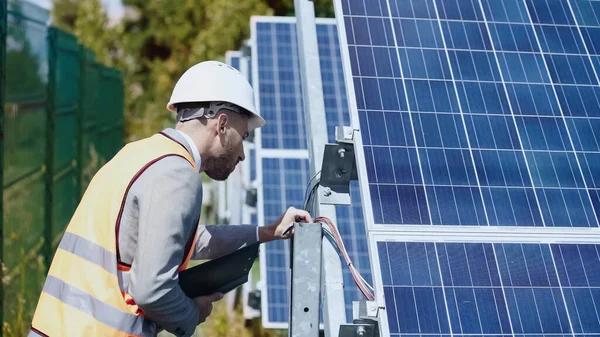
Solar panels have become an increasingly popular source of renewable energy, offering a sustainable way to reduce electricity costs and environmental impact. However, the efficiency of solar panel generation can be significantly affected by several common mistakes that users and installers often overlook. Understanding these errors is crucial for maximizing the performance and longevity of a solar power system.
One frequent issue that reduces solar panel efficiency is improper installation. Panels must be positioned to receive maximum sunlight throughout the day, usually facing true south in the northern hemisphere or true north in the southern hemisphere. Incorrect orientation or tilt angles can cause substantial losses in energy production because panels will not capture optimal sunlight intensity. Additionally, shading from nearby trees, buildings, or other obstructions during peak sunlight hours diminishes output dramatically. Even partial shading on one panel can affect an entire array due to how solar cells are interconnected.
Another mistake involves neglecting regular maintenance and cleaning. Dirt, dust, bird droppings, leaves, and other debris accumulate on panel surfaces over time and block sunlight penetration. This layer acts like a barrier between the sun’s rays and photovoltaic cells beneath it. While rain may wash away some grime naturally, manual cleaning with appropriate dive deeper tools ensures consistent high performance-especially in dry or dusty environments where debris buildup happens faster.
Using substandard components also compromises system efficiency. Low-quality wiring connectors or mismatched inverter sizes lead to energy losses through resistance or conversion inefficiencies. Ensuring all parts meet manufacturer specifications helps maintain steady current flow from panels to battery storage or grid feed-in points without unnecessary drop-offs.
Temperature effects are another factor often underestimated by users installing rooftop systems without proper ventilation underneath panels. Solar cells operate less efficiently at higher temperatures; excessive heat reduces voltage output despite constant sunlight exposure. Installing panels with sufficient airflow beneath them prevents overheating and sustains better overall generation rates during hot weather conditions.
Furthermore, ignoring technological advancements restricts potential gains in efficiency over time. Older models may lack features like bypass diodes that minimize power loss when sections of a panel are shaded or damaged parts exist within arrays that degrade unevenly over years of use.
In summary, avoiding common pitfalls such as poor placement, inadequate upkeep, inferior components quality, insufficient cooling measures, and outdated technology adoption plays a vital role in preserving solar panel generation efficiency effectively throughout their operational lifespan. By addressing these concerns proactively through careful planning and routine care practices tailored specifically for individual installations’ circumstances ensures reliable clean energy production while protecting investment value long term.