Heating, Ventilation, and Air Conditioning (HVAC) systems are essential components in modern buildings, providing comfort by regulating temperature and airflow. However, their role extends beyond mere climate control; they play a pivotal part in enhancing indoor air quality by reducing allergens. As people spend an increasing amount of time indoors, ensuring a clean and healthy environment is crucial for overall well-being. HVAC systems can significantly mitigate the presence of allergens such as dust mites, pollen, pet dander, mold spores, and other airborne particles that contribute to allergic reactions.
One of the primary ways HVAC systems reduce allergens is through effective filtration. High-Efficiency Particulate Air (HEPA) filters are designed to capture up to 99.97% of particles as small as 0.3 microns from the air passing through them. By trapping these microscopic irritants before they circulate throughout living spaces, HEPA filters help maintain cleaner air and minimize allergy symptoms for occupants.
Furthermore, proper ventilation is critical in managing indoor allergens. HVAC systems facilitate the exchange of stale indoor air with fresh outdoor air while maintaining energy efficiency. This process dilutes concentrations of indoor pollutants and helps prevent the buildup of moisture that can lead to mold growth—a common allergen trigger.
Humidity control is another vital function learn all about it performed by HVAC systems in reducing allergens. Maintaining optimal humidity levels between 30% and 50% inhibits dust mite proliferation and curbs mold growth since both thrive in moist conditions. Dehumidifiers integrated into HVAC units effectively manage excess moisture within homes or offices during humid seasons.
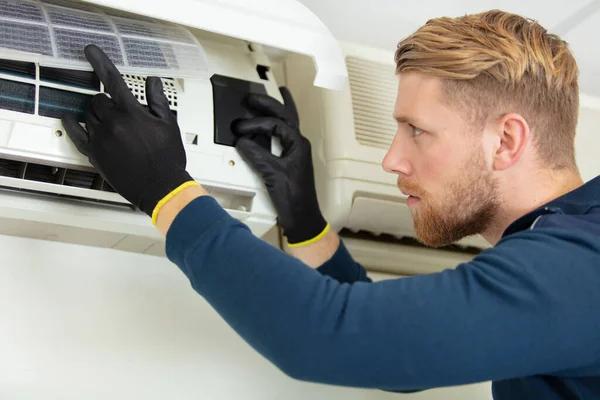
Regular maintenance plays an indispensable role in ensuring that HVAC systems operate efficiently at reducing allergens over time. Routine cleaning or replacing filters prevents clogging that could otherwise impede airflow or allow contaminants back into circulation areas uncheckedly—thereby exacerbating allergies instead inadvertently helping alleviate them!
Moreover—ductwork integrity should be inspected periodically too!