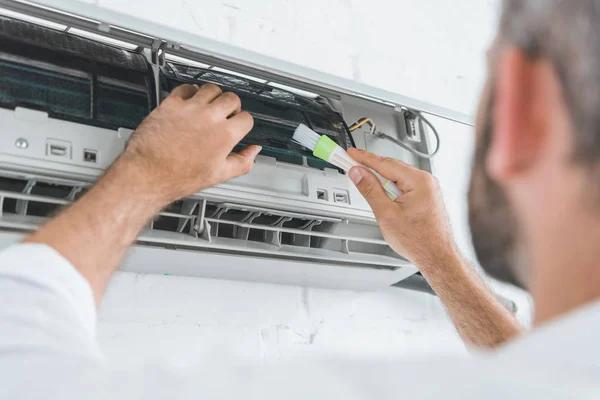
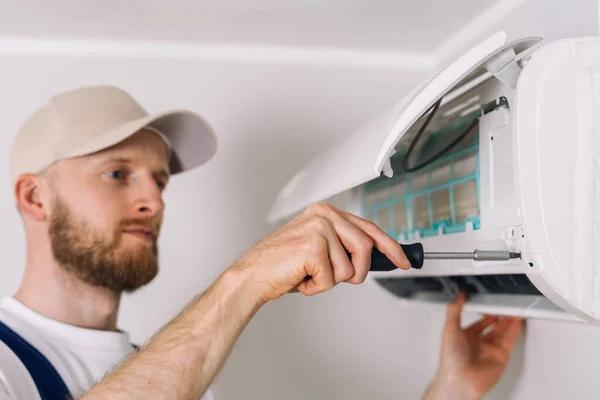
When a furnace begins to malfunction, understanding the repair process can help homeowners feel more confident and prepared. The first step in furnace repair is usually an initial inspection. A professional technician will arrive at the home and conduct a thorough examination of the unit. This involves checking for obvious signs of wear or damage, such as rusted components, loose wiring, or unusual noises coming from the system. The technician will also verify that all safety features are intact and functioning properly.
Following this visual assessment, the next phase typically involves testing various parts of the furnace to pinpoint specific issues. This includes evaluating the thermostat settings to ensure they correspond correctly with room temperature demands. The technician might measure electrical connections using specialized tools to detect any irregularities like voltage drops or short circuits. Additionally, fuel supply lines are inspected if applicable; gas furnaces require careful examination for leaks or blockages that could compromise performance and safety.
Once diagnostic testing is complete, the professional identifies which components need repair or replacement. Common problems often involve faulty ignition systems, clogged filters, broken blower motors, or worn-out belts. Depending on what is found during diagnosis, necessary parts are either repaired on-site or ordered for later air conditioning installation sandy if not immediately available.
After determining required repairs and obtaining any needed materials, actual work begins on fixing the furnace. During this stage, technicians carefully disassemble affected sections while taking precautions to avoid damaging other elements within the system. Replacements are installed precisely according to manufacturer specifications to maintain optimal operation standards.
With repairs finished, comprehensive testing follows to confirm everything functions correctly before concluding service calls. This final check ensures that airflow is adequate and consistent throughout heating ducts while verifying safe ignition cycles without error codes appearing on control panels.
Before leaving premises, professionals usually provide customers with advice about maintaining their furnaces moving forward so potential breakdowns can be minimized over time through regular upkeep practices such as timely filter changes and annual inspections by qualified personnel.
Overall, furnace repair involves a detailed process starting from inspection through diagnostics followed by targeted fixes completed with careful reassembly and thorough final testing aimed at restoring heating efficiency safely and reliably within residential environments where comfort depends heavily on dependable equipment performance throughout colder months each year.
One Stop Heating and Air Conditioning
611 W 9560 S Suite E, Sandy, UT 84070
801-797-2074