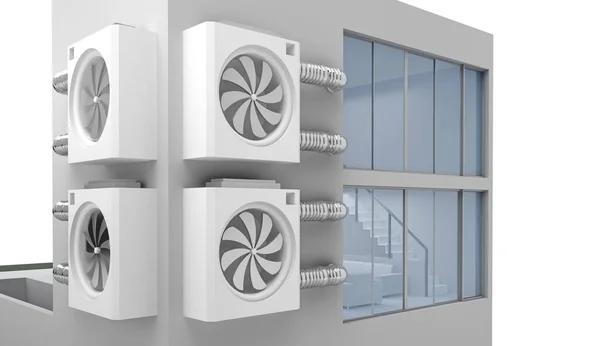
Ventilation plays a pivotal role in maintaining clean indoor air quality, a critical aspect of ensuring health and comfort in residential and commercial spaces. As modern buildings become more airtight to improve energy efficiency, the need for effective ventilation systems becomes increasingly essential. Proper ventilation helps dilute and remove pollutants, thereby reducing the concentration of harmful substances indoors.
Indoor air pollution can originate from various sources such as building materials, cleaning products, tobacco smoke, cooking activities, and even outdoor air that infiltrates indoors. These pollutants include volatile organic compounds (VOCs), carbon monoxide, particulate matter, and biological contaminants like mold spores and bacteria. Without adequate ventilation, these pollutants can accumulate to levels that pose health risks to occupants.
One of learn the ins and outs primary functions of ventilation is to supply fresh outdoor air into the indoor environment while exhausting stale indoor air outside. This exchange helps control humidity levels which is crucial because high humidity promotes mold growth while low humidity can lead to respiratory discomfort. By regulating moisture content in the air through proper ventilation strategies such as mechanical systems or natural methods like windows and vents, it’s possible to maintain an optimal balance conducive to both human health and structural integrity.
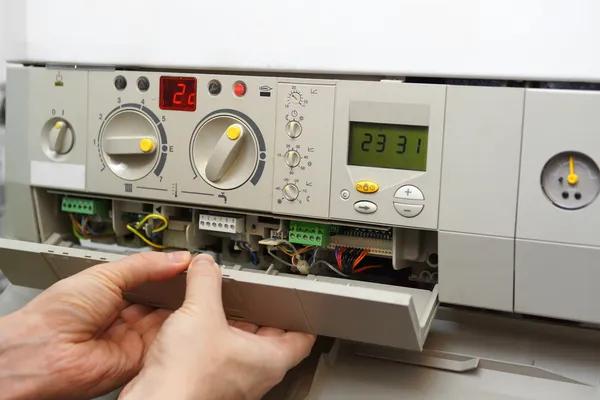
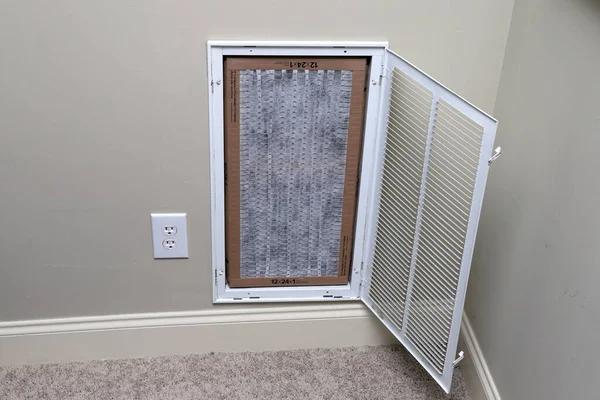
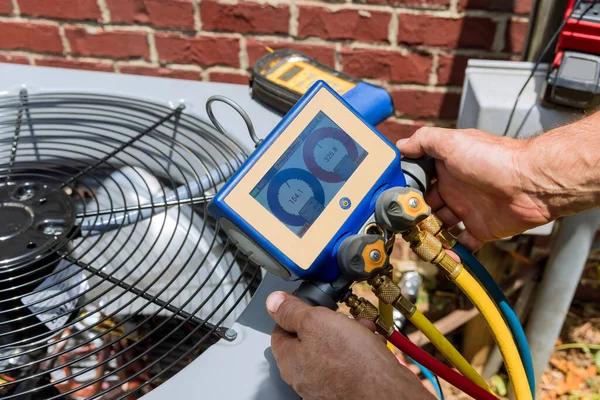
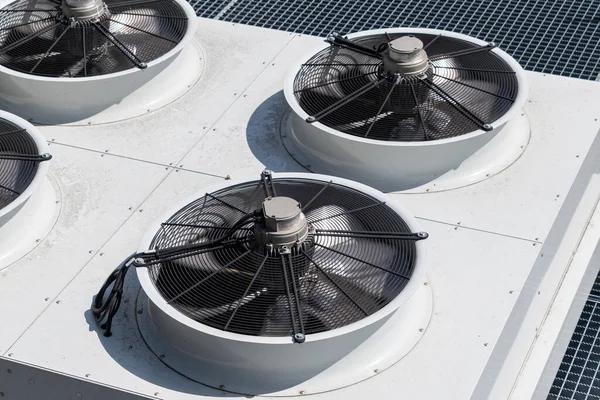
Mechanical ventilation systems are particularly effective in managing indoor air quality by providing consistent airflow regardless of external weather conditions. Systems like HVAC (Heating, Ventilation, and Air Conditioning) incorporate filters that trap dust particles along with other airborne contaminants before they circulate within living spaces. Advanced models come equipped with HEPA filters capable of capturing even finer particulates including allergens which significantly benefit individuals suffering from respiratory issues such as asthma or allergies.
Natural ventilation also contributes significantly when designed effectively; strategically placed windows allow cross-ventilation where wind-driven airflow naturally replaces stale interior atmosphere with fresh exterior breezes without relying heavily on energy-consuming appliances thus promoting sustainability alongside healthy living environments.
In addition to pollutant removal benefits offered by both mechanical & natural solutions alike—ventilated spaces tend towards enhanced thermal comfort due largely imparted through moderated temperature fluctuations achievable via controlled exchanges between conditioned interiors versus ambient exteriors further contributing positively toward occupant productivity level increases seen especially prevalent within workplace settings where employee satisfaction correlates directly against operational output metrics observed across numerous studies conducted industry-wide globally speaking today now more than ever given current pandemic-related challenges faced universally around world impacting everyone everywhere simultaneously affecting us all collectively together unitedly standing strong resiliently moving forward progressively onward optimistically embracing future possibilities ahead awaiting eagerly anticipated outcomes arising therein subsequently thereafter ultimately resulting finally conclusively successfully achieving desired goals envisioned originally at inception point initiated initially altogether completely fully realized eventually entirely holistically comprehensively integrally fundamentally foundationally essentially intrinsically vitally importantly necessary indeed!