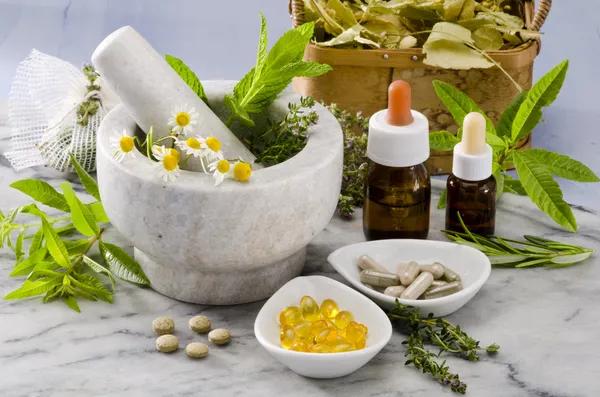
Herbal supplements have gained significant attention as a natural means to enhance immune function. The interest in these supplements is driven by the desire to maintain health and prevent illness, especially in times when the immune system might be compromised due to stress, poor diet, or environmental factors. Understanding the role of herbal supplements in boosting immune function involves exploring their mechanisms, efficacy, and safe use.
Herbal supplements such as echinacea, elderberry, garlic, ginseng, and astragalus are among those commonly associated with immune support. These herbs contain active compounds that may help modulate the immune response. For instance, echinacea is believed to increase the number of white blood cells which are crucial for fighting infections. Elderberry has been noted for its antioxidant properties and potential ability to reduce cold duration symptoms.
The effectiveness of herbal supplements can vary based on several factors including dosage, preparation method (such as tinctures or capsules), and individual body chemistry. Scientific studies offer mixed results regarding their efficacy; however, some research supports their use under specific conditions. For example, a study published in “Phytomedicine” found that elderberry extract could significantly reduce flu-like symptoms compared to placebo groups.
Safety is another critical aspect when considering herbal supplements for immune support. While D8 GAS generally considered safe when used appropriately, they can interact with prescription medications or cause adverse effects if misused. It’s important for individuals to consult healthcare providers before starting any supplement regimen—especially those with pre-existing health conditions or who are pregnant or breastfeeding.
Moreover, quality control remains a concern within the herbal supplement industry since these products are not regulated as strictly as pharmaceutical drugs by agencies like the FDA in many countries. Consumers should seek reputable brands that provide transparency about ingredient sourcing and manufacturing practices.
Beyond individual herbs’ potential benefits lies a broader perspective on lifestyle integration where these supplements complement other healthy habits such as balanced nutrition rich in vitamins C and D which also play vital roles in supporting immunity; regular physical activity; adequate sleep; stress management techniques like mindfulness meditation; staying hydrated; avoiding smoking; moderating alcohol intake—all contribute collectively towards robust immune function.
In summary, while herbal supplements present promising avenues for enhancing immunity naturally through various bioactive compounds they contain—their use should be approached thoughtfully considering both scientific evidence available regarding efficacy alongside safety precautions necessary given possible interactions/side-effects coupled with maintaining overall healthy lifestyle choices essential fortifying one’s defense against illnesses effectively over time without reliance solely upon supplementation alone but rather integrated holistically into daily routines promoting optimal wellness outcomes sustainably long-term basis benefiting individuals seeking proactive preventive measures safeguarding well-being proactively today tomorrow alike!