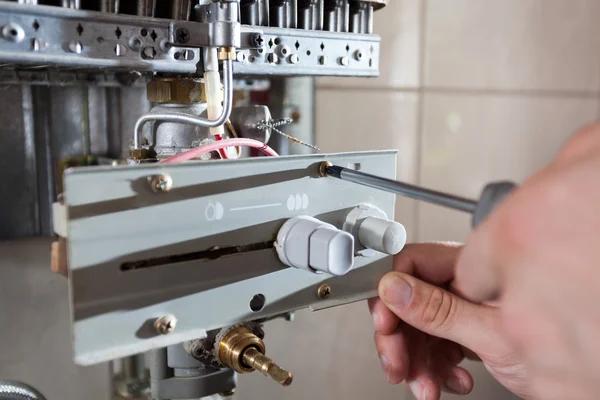
Choosing an energy-efficient water heater can significantly reduce household energy consumption and lower utility bills. When considering installation options, it is important to understand the different types of water heaters available and how they impact energy efficiency. Traditional storage tank water heaters keep a reservoir of hot water ready for use, but they continuously consume energy to maintain the temperature, even when not in use. This standby heat loss makes them less efficient compared to newer technologies.
Tankless or on-demand water heaters offer a more energy-conscious alternative by heating water only when needed. These units do not store hot water; instead, they rapidly heat cold water as it flows through the system. This approach eliminates standby losses and can result in significant savings over time, especially for households with lower or moderate hot water demands. However, tankless systems may require upgrades to existing plumbing or electrical infrastructure during installation.
Heat pump water heaters represent another highly efficient option that uses electricity to move heat from the surrounding air into the water rather than generating heat directly. These systems are particularly effective in warm climates or spaces with adequate ventilation since their efficiency depends on ambient air temperature. Although initial costs are generally higher than conventional models, heat pump units deliver substantial reductions in operating expenses due to their superior performance.
Solar water heaters harness renewable solar energy using panels installed on rooftops or nearby areas exposed to sunlight. They preheat the incoming cold water before it reaches a backup conventional heater that ensures consistent supply during cloudy days or high demand periods. While solar installations involve higher upfront investment and depend on geographic location for optimal performance, they provide one of the most environmentally friendly methods for reducing fossil fuel reliance and lowering carbon footprints.
When deciding which type of energy-efficient system suits your home best, several factors should be considered including household size, daily hot water usage patterns, local climate conditions, available space for equipment installation, and budget constraints. Professional assessment by qualified technicians can help determine compatibility with existing setups and ensure proper sizing to maximize efficiency gains.
In addition to choosing an appropriate unit type, proper insulation of pipes and tanks helps minimize heat loss after installation. Regular maintenance such as flushing sediment buildup from tanks improves longevity and operational effectiveness across all models.
Ultimately, selecting an energy-efficient water heater involves balancing upfront costs against long-term savings while considering environmental benefits alongside personal convenience requirements. By exploring modern technologies like tankless systems, heat pumps, or solar-assisted designs combined with expert guidance during installation processes homeowners can achieve both economic advantages and sustainable living goals effectively within their residential settings.
Service Squad
680 E Colorado Blvd, Suite 180, Pasadena, CA 91101
626-333-6519