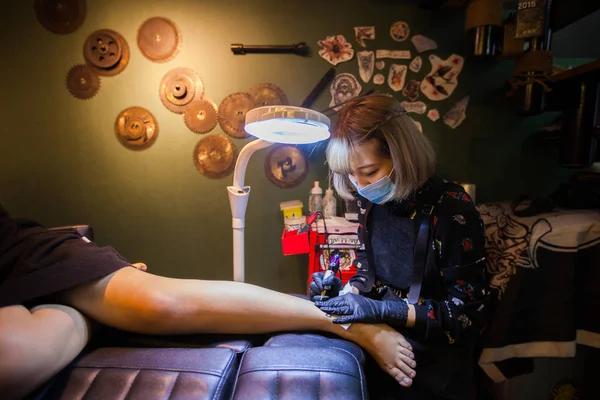
Tattoo and piercing studios prioritize hygiene to ensure the safety and well-being of their clients. Maintaining high standards of cleanliness is essential to prevent infections, cross-contamination, and other health risks associated with these procedures. Studios follow strict protocols guided by health regulations and industry best practices to create a sterile environment where both artists and clients feel secure.
One fundamental aspect of hygiene in these studios is the use of disposable tools whenever possible. Needles for tattoos and piercings are always single-use items, discarded immediately after each procedure. This practice eliminates any risk of transmitting bloodborne pathogens between clients. Additionally, gloves are worn by artists at all times during procedures, changed frequently or when contaminated to maintain a barrier against bacteria and viruses.
Sterilization plays a crucial role in maintaining hygiene standards. Equipment that cannot be disposed of after one use undergoes thorough sterilization processes using autoclaves-specialized machines that employ high-pressure saturated steam to kill all microorganisms on instruments like forceps or clamps. Autoclaving ensures that reused tools meet stringent cleanliness requirements before being used on another client.
The studio environment itself is kept meticulously clean. Work surfaces are disinfected regularly with hospital-grade solutions capable of eliminating germs effectively without harming sensitive equipment or skin contact areas. Floors, chairs, counters, sinks, and other commonly touched surfaces receive routine cleaning throughout operating hours as well as deep cleaning sessions daily.
Hand hygiene among tattooists and piercers is strictly enforced through frequent washing with antibacterial soap before donning gloves or touching sterile materials. Proper handwashing reduces the transfer of contaminants from hands to clients’ skin during procedures.
Studios also implement safe waste disposal methods for contaminated materials such as used needles, gloves, ink caps, paper towels, and bandages containing bodily fluids. These items are placed into designated sharps containers or biohazard bags in compliance with local regulations until they can be safely removed by certified waste management services.
Client preparation contributes significantly to overall hygiene maintenance too; practitioners often clean visit the source tattoo or piercing will occur using antiseptic solutions prior to starting work. This step lowers microbial presence on skin surfaces reducing infection risk post-procedure.
Staff training forms an integral part of sustaining hygiene standards within tattooing and piercing facilities. Artists regularly participate in workshops covering updated sanitation techniques alongside occupational safety measures designed specifically for their profession’s unique challenges.
Through consistent adherence to comprehensive sanitation protocols encompassing tool usage policies, sterilization routines, environmental cleanliness practices, handwashing discipline, proper waste handling systems coupled with ongoing education efforts-tattoo and piercing studios uphold hygienic conditions that protect both customers’ health outcomes while fostering trust within this personal art form industry sector worldwide.