
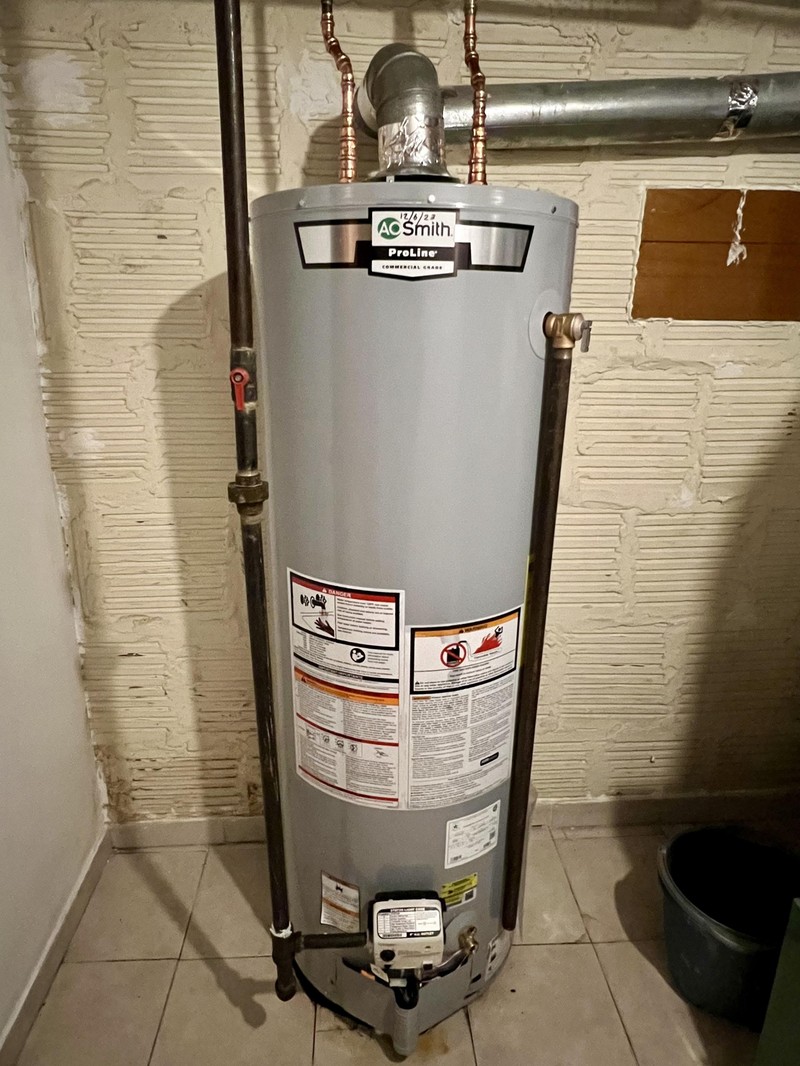
Installing a water heater correctly the first time is essential for ensuring safety, efficiency, and long-term reliability. Proper installation not only prevents costly repairs but also guarantees that the unit operates at its optimal capacity. Whether you are replacing an old water heater or installing a new one in your home, understanding key factors and following best practices can make all the difference.
Before beginning any installation, it is important to select the right type and size of water heater suitable for your household needs. An undersized unit may struggle to provide sufficient hot water, while an oversized model can waste energy and increase utility bills. Consulting with a professional or conducting thorough research helps determine the appropriate capacity based on family size, usage patterns, and available space.
Once you have chosen your water heater, preparation of the installation site must be done carefully. This includes turning off power sources such as electricity or gas supply lines to avoid accidents during handling. Ensuring proper ventilation is critical if installing a gas-powered model since combustion gases need safe exhaust pathways to prevent buildup within living spaces.
The connection process involves attaching both cold-water supply lines and hot-water outlet pipes securely using approved fittings that comply pasadena plumber with local plumbing codes. It is vital to check for leaks after tightening connections by slowly turning on water flow before powering up the system. Leaks not only reduce efficiency but also risk damage to surrounding areas.
Electrical wiring should be handled cautiously when dealing with electric water heaters; connections need to match manufacturer specifications precisely. Improper wiring could lead to short circuits or fire hazards over time.
For gas models, verifying that vents are properly sealed and unobstructed ensures safe removal of exhaust gases while maintaining adequate airflow necessary for combustion performance.
After completing physical installation steps, testing functionality by running hot water through faucets confirms whether everything operates smoothly without unusual noises or delays in heating times.
Following manufacturer instructions closely throughout every stage minimizes errors that might compromise warranty coverage or cause premature failure of components like thermostats or heating elements.
Finally, scheduling periodic maintenance checks extends your system’s lifespan significantly by addressing sediment buildup inside tanks which lowers heating efficiency gradually if ignored over months or years.
In summary, meticulous planning combined with adherence to safety guidelines results in successful water heater installation completed right from the start-providing consistent comfort without unexpected interruptions down the line.
Service Squad
680 E Colorado Blvd, Suite 180, Pasadena, CA 91101
626-333-6519