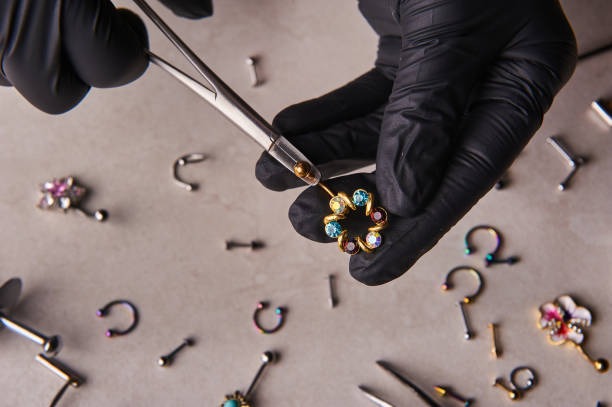
When it comes to body piercings, the choice of jewelry is as crucial as the piercing process itself. Yet, many clients remain unaware of the intricacies involved in selecting appropriate materials for their new adornments. The material of your jewelry plays a significant role not only in aesthetics but also in health and healing outcomes.
First and foremost, biocompatibility should be a primary consideration when choosing piercing jewelry. This refers to how well a material interacts with the human body without causing adverse reactions. For initial piercings, high-quality metals such as implant-grade titanium or surgical stainless steel are recommended due to their low risk of irritation or allergic response. Titanium is especially favored for its lightweight nature learn the ins and outs hypoallergenic properties, making it suitable even for those with sensitive skin.
On the other hand, some commonly used materials can pose risks if not chosen carefully. Nickel-containing alloys are notorious for causing allergic reactions; hence, it’s essential to ensure that any metal you choose has minimal nickel content. Gold might seem like an attractive option due to its luxurious appeal; however, only 14k or higher gold that’s nickel-free should be considered safe for fresh piercings.
Beyond metals, alternative materials like bioplast and PTFE (polytetrafluoroethylene) offer flexibility and comfort while being biocompatible options ideal for initial piercings or during active lifestyles where metal might cause discomfort.
Another often overlooked aspect is surface finish quality. Jewelry with a smooth finish minimizes friction against healing tissue—a critical factor since rough surfaces can harbor bacteria leading to infections or prolonging healing times.
Furthermore, understanding potential long-term interactions between different types of body fluids and jewelry materials is vital—certain metals may tarnish over time when exposed continuously unless properly maintained through regular cleaning routines using appropriate solutions designed specifically for each type’s needs.
Clients must also consider weight distribution within designs: heavier pieces exert more pressure on pierced areas potentially leading towards migration (wherein holes shift position). Thus ensuring balanced weights helps maintain original placements longer term thus preserving desired aesthetic appearances plus reducing risks associated alongside improper wear patterns developing prematurely otherwise encountered otherwise unexpectedly!
In conclusion: informed decision-making regarding what goes into our bodies via decorative enhancements remains paramount importance throughout entire lifespan thereafter!